
Vitality is normally linked to youth—not old age. Old age is dim, gray, boring, painful. My old neighbor told me “getting old is no fun”. But there are some people that keep their vitality and health even beyond their 100th birthday. Do they really hold the secret to vitality in old age?
Some centenarians enjoy life and do what they love. When asked, they attribute their longevity to a variety of things. From being kind to asking questions, avoiding stress, and enjoying life. Others had difficult lives and survived famine or conflicts. Is there really one thing that they do to keep their vitality? Or is it a special combination of genes and environment?
This article delves into the causes of centenarians’ remarkable vitality. Exploring the unique factors contributing to their longevity and identifying the challenges ageing adults face.
Challenges Faced as We Age
Centenarians stand as living testaments to the secrets of a well-lived, healthful life. Reaching our 100th birthday is no longer rare. But still, not everyone will. As we age, numerous challenges threaten our vitality, from diminishing energy levels to the onset of chronic conditions.
Toxins and deleterious agents accumulate slowly in our cells with time. This is the foundational cause of ageing. It reaches a critical mass when we are older, with several consequences for our health and vitality.
A weakened immune system
The immune system — which eliminates pathogens and alters cells —declines its capacity to protect our health with time. This process is called immunosenescence, which is the main reason why older people are more prone to infections and disease.
An old immune system can not protect our bodies from disease and cancer as well as before. But it also can actively contribute to inflammation by releasing some of the armaments they possess to fight against disease. These released molecules accumulate in our body and induce a state of inflammation called inflammaging: the pro-inflammatory molecules make the body more susceptible to several diseases like Alzheimer’s disease and heart problems.
Energy Decline
Ageing often causes a noticeable decrease in energy levels, which affects daily activities and overall well-being. Tasks that were once easily undertaken may become more challenging, and the overall sense of vitality may diminish.
The aging process can affect metabolic rates, hormonal balance, and cellular efficiency, all contributing to a gradual decrease in energy reserves.
Muscle Loss and Physical Function
Sarcopenia, or age-related muscle loss, is a common challenge for older adults, impacting their vitality, mobility and independence. This decline in muscle mass can contribute to feelings of fatigue and a general reduction in energy levels.
Several factors cause muscle loss at old age: inactivity, inadequate nutrition, disease, inflammation, declines in neuromuscular junctions and cellular changes like dysfunctional mitochondria.
Cognitive Decline
Cognitive health becomes a concern as we age and usually affects memory, language or judgment. It is caused by changes in the brain like decreased size of the hippocampus, increased size of the ventricles and reduced use of glucose that directly affect memory and brain function.
People with mild cognitive impairment may stay stable for years, get better or develop other more severe conditions like dementia or Alzheimer’s disease.
What centenarians do to keep their vitality
Despite these natural challenges associated with aging, centenarians defy expectations by maintaining a remarkable vitality level. Unlike the stereotypical image of older individuals experiencing frailty and lethargy, centenarians often exhibit energy and vigor beyond what might be expected in their advanced years.
There is no single vitality booster, but a combination of factors that lay the foundations of a life full of vitality and health.
Resilient immune system
A study that analyzed the immune cells of seven centenarians (mean age 106) suggest that centenarians harbor unique, highly functional immune systems that have successfully adapted to a history of insults allowing for the achievement of exceptional longevity.
Nutrition
Centenarians often follow diets rich in nutrient-dense foods, and stay away from industrialized, high in sugar and salt meals.
The Mediterranean diet, which focuses on fruits, vegetables, whole grains, and lean proteins, provides essential vitamins and minerals for maintaining vitality and warding off chronic diseases. Several studies have found that following a Mediterranean diet increases lifespan and vitality and prevents chronic diseases like diabetes, obesity, and heart problems.
Regular Physical Activity
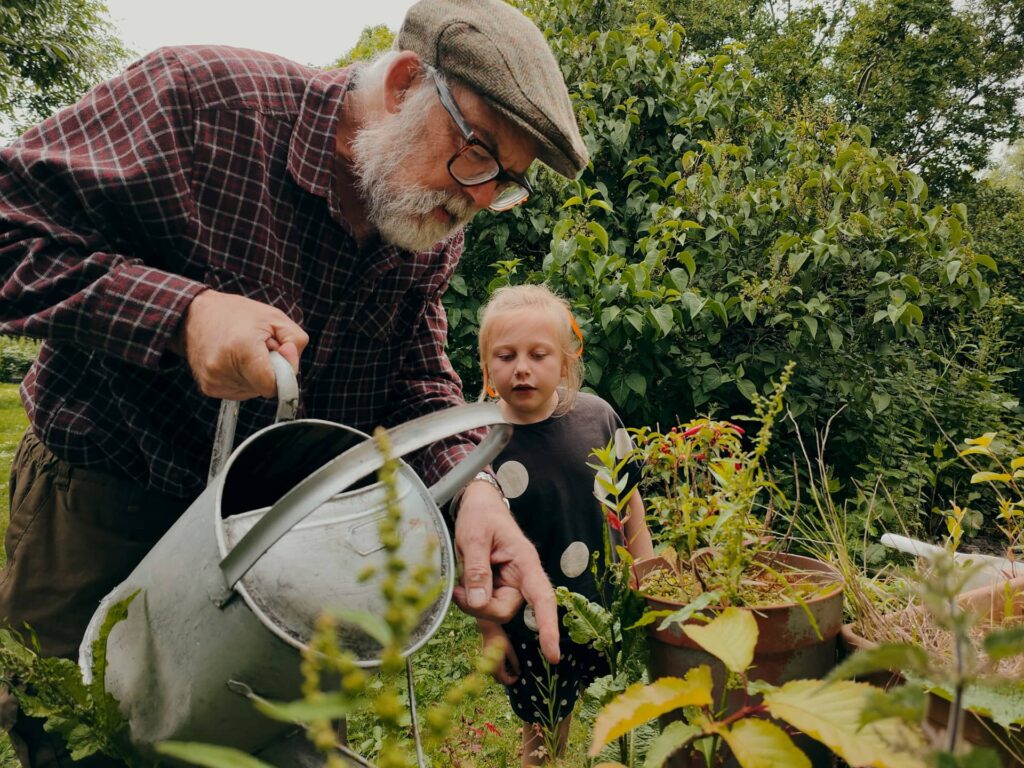
Contrary to the stereotype of frailty associated with old age, many centenarians engage in regular physical activity. Whether it’s walking, gardening, or practising tai chi, staying active helps preserve muscle mass, enhance cardiovascular health, and contribute to overall vitality.
Keeping an active body counteracts the muscle loss that comes with aging and having strong muscles prevents falls and increases resilience to disease and frailty.
Stress Management Techniques
Centenarians commonly practice stress-reducing activities such as meditation, deep breathing, or spending time in nature. Managing stress is vital to maintaining mental and emotional well-being, a crucial component of a comprehensive vitality plan.
Strong Social Connections
Social engagement plays a pivotal role in the lives of centenarians. Maintaining close relationships, participating in community activities, and fostering a sense of belonging contribute to mental resilience and emotional health.
Cognitive Stimulation
Centenarians often engage in activities that stimulate their minds, such as reading, puzzles, or learning new skills. Keeping the brain active helps protect against cognitive decline and promotes lifelong learning.
Create your Vitality plan
Old age doesn’t have to be filled with pain and sorrow. Indeed, there is much we can do to enjoy vitality at all stages of our life. Your vitality plan needs to be tailored to your own needs and resources, there is no single plan that will fit everybody. Taking into account the foundation for the vitality of centenarians baked by science, your vitality plan could look like this:
- Nutrient-rich diet: wherever you live, you too can adopt a diet that fuels the vitality of Centenarians around the world. A Mediterranean style diet emphasizes fruits, vegetables, whole grains, lean proteins, and healthy fats. Avoid ultra processed foods like sodas, pre-cooked meals and foods with added sugar. Consider consulting with a nutritionist to tailor your diet to your specific needs.
- Balanced exercise routine: incorporate both aerobic exercises (such as brisk walking or swimming) and strength training activities (such as weightlifting or yoga) into your weekly routine to preserve muscle mass and enhance overall physical function. What is important is to keep moving, start slow and increase intensity as you gain confidence and strength. Focus on gaining muscle strength and equilibrium; learning a sport like tennis could be useful.
- Stress-reduction practices: integrate stress management techniques into your daily life, such as mindfulness meditation, deep breathing exercises, or spending time in nature. Prioritize activities that bring you joy and relaxation. Start a hobby like gardening or hiking in nature.
- Cultivate social connections: foster meaningful relationships with family, friends, and your community. Stay socially active, participate in group activities, and make an effort to connect with others regularly.
- Mental stimulation: engage in activities that challenge your mind, such as reading, puzzles, or learning a new skill. Stay curious and open to new experiences, fostering a mindset of continuous learning and growth.
Hobbies and sports could be smart choices for your vitality plan—they keep you moving, help you relax, and are a wonderful way to connect with people.
Key takeaways
By analyzing the vitality health plans of centenarians, we uncover valuable insights into ageing gracefully and maintaining health well into our later years. Embracing a holistic approach that includes nutrition, physical activity, stress management, social engagement, and cognitive stimulation can pave the way for a vibrant and fulfilling life for educated adults aged 40 and beyond. As we glean wisdom from those who have reached the century mark, we have the opportunity to shape our own vitality plans and embark on a journey towards a healthier, more vibrant future.
Old age can be full of vitality, and there is much we can do to enjoy life at old age. Having a vitality plan is a north star that can guide you to make better choices for your future self—while also enjoying the ride in the present moment.
Photo by OPPO Find X5 Pro on Unsplash