
Discovering Vitality Life
Far from having a vitality life, Sarah, a 45-year-old engineer, lived a hectic life filled with high stress and unhealthy habits. She often worked late, felt drained and fatigued, and struggled with unexpected weight gain. But she was tired of feeling sluggish and not having energy for his family and hobbies.
They say that when you are fed up with being fed up, you change. Sarah’s eye-opening moment came when she discovered that she too could live a full, vitality life, a natural and proactive approach to health and well-being — instead of reacting when the disease shows up. This change helped her lose 15 pounds, regain her energy, and reconnect with her loved ones.
If you’re dealing with similar struggles, a little sneak into a vitality life might give you the fresh start you’re looking for.
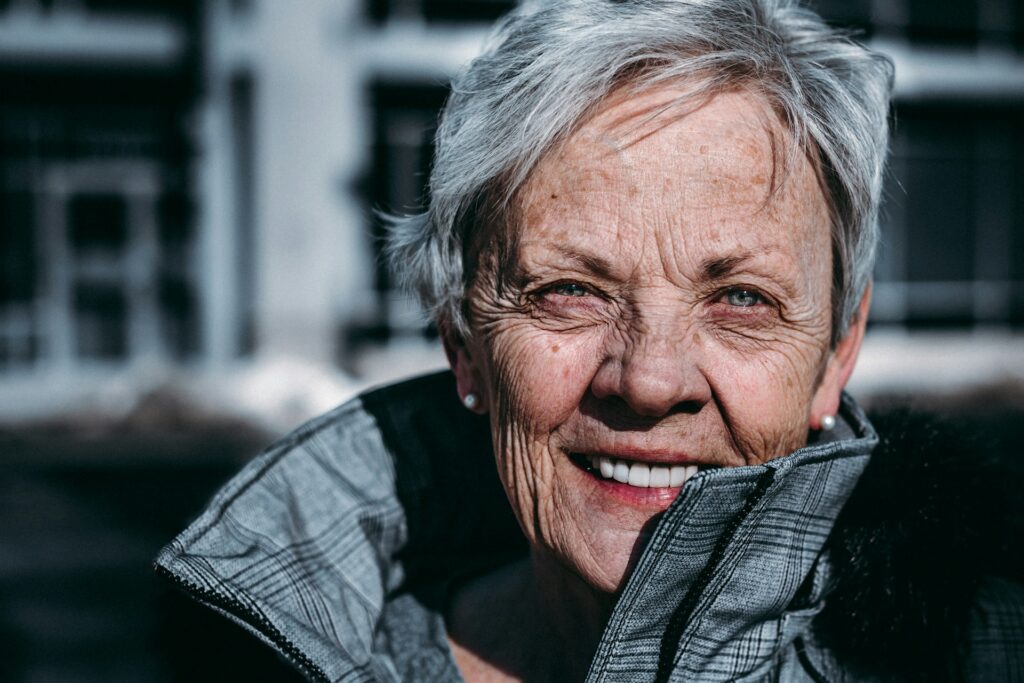
What does a Vitality Life look like?
Vitality life is a lifestyle focused on extending life expectancy while enhancing quality of life. Instead of merely treating illnesses, it emphasizes proactive measures to live longer and healthier. It combines balanced nutrition, regular physical activity, stress management, and social connections to create a comprehensive approach to well-being.
Embracing these elements can reduce stress, boost energy, and improve relationships. Imagine waking up with purpose and enthusiasm each morning, ready to embrace the day with renewed vitality. This is what vitality life is all about.
The Science Behind Vitality Life
Research shows that a combination of healthy habits can significantly impact longevity. A study in the Journal of the American Medical Association found that adopting a healthy lifestyle can add extra years to your life. This involves eating a balanced diet, exercising regularly, and maintaining a healthy weight. Even 10 minutes of moderate to vigorous daily exercise could help you live longer.
Another meta-analysis points to a clear link between people with strong social connections and their tendency to live longer and healthier lives. Engaging in activities like yoga or meditation can help reduce stress and improve mental clarity — especially if we do them with people we feel close and connected to.
These studies suggest that a few simple lifestyle changes can dramatically improve your quality of life. It’s about taking control of your health and enjoying a longer, more vibrant life with the people you care about.
Who Benefits from Vitality Life?
Vitality life is for everyone, regardless of age or health status. Young adults can set a strong foundation for long-term health by building good habits. If you are between 40 and 60, a vitality life plan can help you manage stress and maintain energy levels, helping you stay balanced and focused and prevent chronic diseases later in life. Seniors can improve mobility, maintain mental sharpness, and enjoy their golden years with vitality and joy.
Investing in health early and consistently can avoid many of the ageing-associated pitfalls. Old age doesn’t have to be when we stop enjoying life and doing what we love. By learning how to take care of our bodies and minds, we can learn to enjoy life today at any age.
For example, a young adult who embraces a vitality life may find they have more energy to pursue their passions. A middle-aged person might reduce stress and rediscover the joy of an active lifestyle. Seniors could find greater freedom and independence by improving their mobility and health.
Starting Your Journey to a Vitality Life
Embracing a vitality life doesn’t require drastic changes. You can start with small, manageable steps that can make a big difference over time. Here are some specific suggestions to help you get started:
- Nutrition: Focus on whole foods like vegetables, fruits, whole grains, and lean proteins. Try replacing processed snacks with fresh fruit or nuts. The Mediterranean diet, which includes olive oil, nuts, and fish, has been linked to increased longevity and reduced risk of heart disease. Eating whole foods can boost your energy and improve your mood.
- Physical Activity: The World Health Organization (WHO) recommends aiming for at least 150 minutes of moderate aerobic activity each week. Activities like brisk walking, swimming, or cycling are great for staying active. Joining a fitness group or exercising with a friend can make physical activity more enjoyable and motivate you.
- Managing Stress and Building Connections: Chronic stress can affect health and accelerate ageing. To live a vital life, you must learn to control stress. Some techniques, like mindfulness, yoga, and meditation, are very helpful in controlling anxiety. Building social connections is equally important; studies suggest that people with strong social ties tend to live longer and healthier lives. Consider joining a local club, volunteering, or spending more time with family and friends. These connections can bring a sense of joy, belonging, and fulfilment.
Embrace Vitality for a Longer, Healthier Life
Sarah’s journey to a vitality life transformed her health and outlook on life. By embracing this holistic approach, she found a new sense of balance and fulfilment. Vitality life offers a path to longevity that’s accessible to everyone, regardless of age or fitness level. Start with small changes in your daily routine, focusing on nutrition, physical activity, stress management, and social connections.
You too can unlock the secrets to a longer, healthier life with time and consistency.
Start Your Vitality Journey Today
- Choose one small change to implement this week: Whether it’s replacing a snack with fruit or taking a daily walk, start today to begin your journey to a vitality life. Sharing your progress with friends or family can keep you motivated. Every small step brings you closer to a healthier, more vibrant life.
Additional Resources
- To learn more about vitality life and longevity, explore reputable sources like the World Health Organization, National Institutes of Health, and Centers for Disease Control and Prevention. These organizations provide a wealth of information to guide you on your journey toward a healthier, more vibrant life.
Photo by Ravi Patel on Unsplash